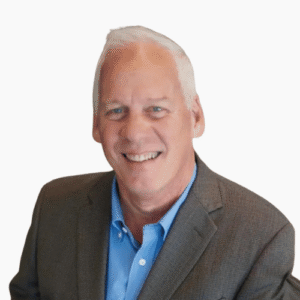
Robert Lutz
Chief Scientific Officer Iksuda Therapeutics
Dr. Lutz is a consultant/advisor to biotech and pharma with more than 30 years of experience with a significant focus on the development of antibody-drug conjugates (ADCs). He currently serves as Chief Scientific Officer of Iksuda Therapeutics and is a board member and Chief Development Officer of Synthis Therapeutics. Prior to his consulting practice, Dr. Lutz was Vice President of translational research and development at ImmunoGen, where he was responsible for the advancement of multiple ADC programs, including KADCYLA® (ado-trastuzumab emtansine), the first ADC to be approved for solid tumor indications, and ELAHERE® (mirvetuximab soravtansine). Dr. Lutz earned a Ph.D. in biochemistry from Brandeis University and a B.S. in biochemistry from the University of New Hampshire.
Seminars
- Outlining the latest trends across the ADC landscape in 2027 and future vision to develop and deliver novel ADCs with meaningful patient impact with safety and efficacy
- Highlighting methods to best pursue ADC clinical differentiation across patient selection technologies, combination strategies, and well-executed clinical design
- With clinical trials advancing in the Far East and Australia, what opportunities does this open for the ADC industry to progress faster?
- Featuring an update on clinical progress for next-generation ADCs, IKS014 and IKS03
- Differentiating programmes through ADC design to address competitive landscape
- Spotlighting ADC innovation that is paving the way for novel payloads
- Debating the optimal chemical and biological properties of next-generation payload and linker combinations
- Exploring the novelty of dual-payload ADCs and their potential to overcome resistance and improve safety profiles compared to traditional ADCs
- Assessing the potential of novel ‘XDC’ candidates to expand therapeutic applications and unlock untapped opportunities within an increasingly crowded ADC landscape
This workshop will focus on improving translatability of pre-clinical findings to first-in human studies that maximise learning while ensuring patient safety. It will be an opportunity to discuss back-translation strategies to inform next-generation ADC design.
Key Questions:
- Which ADC designs signify the best clinical efficacy and outcomes by overcoming resistance challenges?
- How do we establish human dose projections from pre-clinical studies?
- What can we learn from clinical failures to improve current ADC designs?