
Antibody–Drug Conjugates: From “Magic Bullets” to a Transformative Oncology Platform
Antibody–drug conjugates (ADCs) are often described as “magic bullets” in cancer treatment and for good reason. By linking a highly potent anti-cancer drug to a targeting antibody via a chemical linker, ADCs are designed to deliver treatment directly to tumour cells while limiting damage to healthy tissue. This precision-driven approach is reshaping oncology and opening new possibilities for patients.
In a recent episode of the Oncology Insights Podcast, Dr. Abbie Begnaud spoke with Ewen Ward, Brand Director at the Hanson Wade Group, about the evolution of ADCs and what’s ahead for the field. Ewen, who leads the flagship World ADC London Summit, shared how ADCs have progressed from a promising concept to a modality with real-world clinical impact.
Over the past decade, ADCs have moved from late-line therapies to earlier lines of treatment in indications like breast cancer, supported by a growing wave of regulatory approvals. This success, however, brings new challenges. As certain payloads and targets prove effective, the bar for differentiation is rising. Developers must now innovate beyond “me-too” ADCs to address resistance, toxicity, and unmet needs in harder-to-treat cancers such as gastrointestinal malignancies.
One of the strengths of ADCs is their adaptability. Researchers are exploring novel payloads, dual-payload designs, bispecific antibodies, and even non-oncology applications. New approaches, such as immune-stimulating agents, RNA-based payloads, and fragment or peptide conjugates, highlight how flexible this modality can be.
These innovations take centre stage at the 16th World ADC London Summit, taking place in February. The four-day conference brings together drug developers, clinicians, regulators, investors, and academics from across the global ADC ecosystem. With five parallel content tracks spanning discovery through manufacturing, the meeting is designed as a comprehensive forum for knowledge sharing, collaboration, and strategic insight.
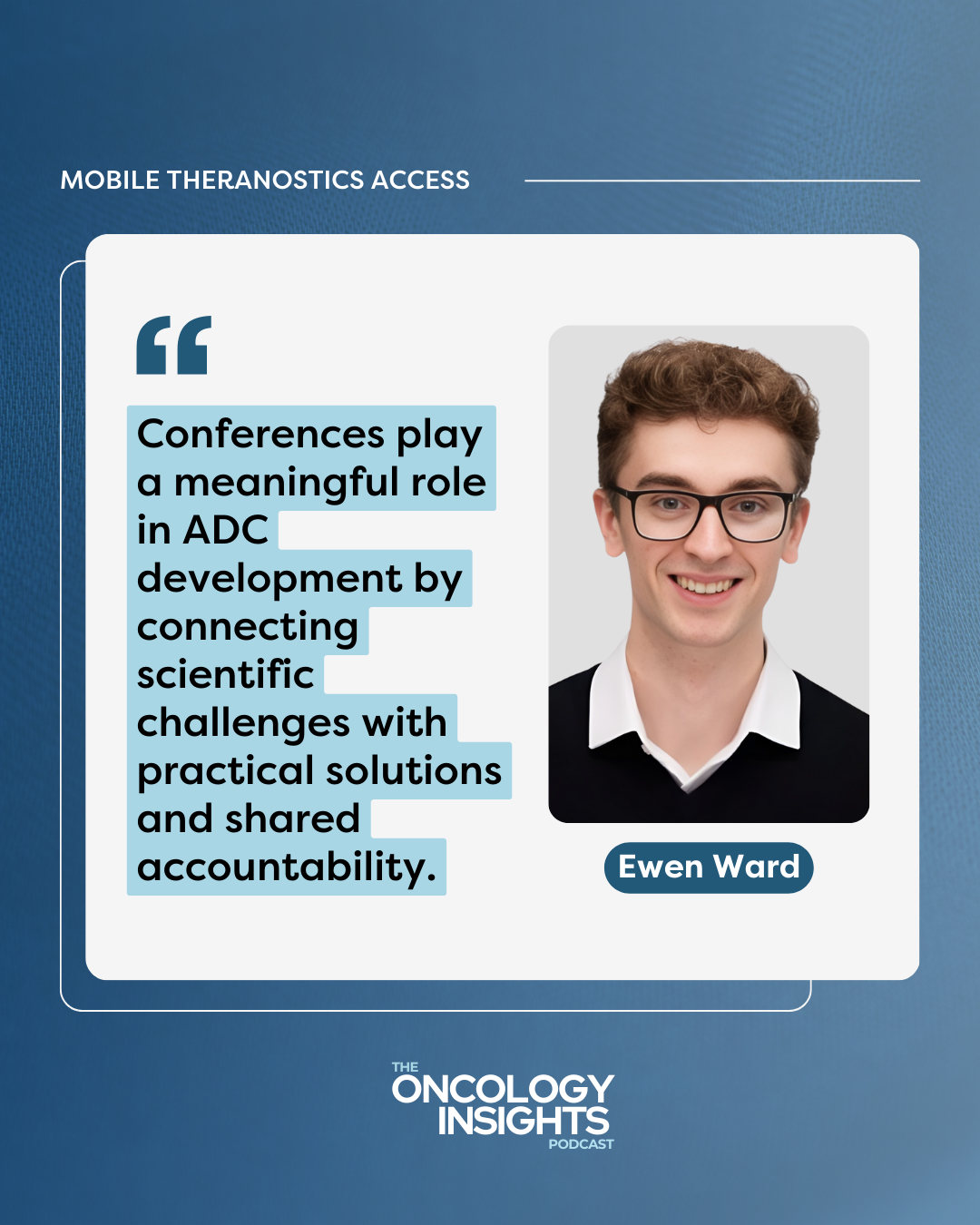
Beyond the science, the conference emphasises the patient perspective. Clinicians, advocacy groups, and even patient voices help ground discussions in real-world impact, reminding the community why safer, more effective, and accessible therapies matter.
As Ewen notes, ADCs are at a pivotal moment. Their clinical success has validated the modality, but continued progress depends on sustained innovation. With a community committed to reinvention and collaboration, ADCs are well positioned to continue transforming cancer care in the years ahead.